Why Do Some Perfumes Not Last Long?
Many people wonder why some perfumes do not last long, especially after investing in a fragrance they love. In most cases, perfume longevity depends on three main factors: fragrance concentration, ingredient composition, and how your skin and environment interact with the scent.
Understanding these elements can help you choose perfumes that last longer, apply fragrance more effectively, and set realistic expectations about how a scent performs throughout the day.

Perfumes may not last long due to low fragrance concentration, light top notes, dry skin, body temperature, humidity, heat, poor storage, or incorrect application. To make perfume last longer, choose Eau de Parfum or oil-based perfumes, apply to moisturized skin, focus on pulse points, avoid rubbing, and select fragrances with stronger base notes such as oud, amber, musk, vanilla, woods, patchouli, and resins.
How This Guide Helps
This guide explains the main reasons perfume fades quickly and how to improve fragrance performance without relying on unrealistic longevity claims.
- Concentration: Learn how EDC, EDT, EDP, extrait, and perfume oils differ.
- Skin chemistry: Understand why the same perfume lasts longer on some people than others.
- Ingredients and notes: See which notes usually evaporate quickly and which notes support a longer dry-down.
- Weather and environment: Learn how heat, humidity, dry air, and ventilation affect scent performance.
- Application tips: Use practical methods to help perfume last longer during daily wear.
Why Do Some Perfumes Not Last Long?
Some perfumes fade quickly because they are lighter by design. Others may fade due to dry skin, hot weather, low concentration, poor storage, or improper application. A fragrance with mostly light citrus or fresh top notes will usually behave differently from a perfume built around oud, amber, musk, vanilla, woods, or resins.
Perfume longevity is not controlled by one factor alone. It is usually the result of concentration, formula structure, base notes, body chemistry, environment, and application technique working together.
Types of Perfume and Concentration Levels
Perfumes vary in strength based on how much fragrance oil they contain. One of the most common reasons a perfume fades quickly is that it contains a lower concentration of fragrance oils.
Role of Concentration in Fragrance Lifespan
Perfume concentration can influence how long a fragrance remains noticeable on the skin. Higher concentrations usually contain more fragrance material, which may support a longer dry-down. However, concentration alone does not guarantee a specific number of hours because ingredients, skin type, climate, and application also matter.
| Fragrance Type | General Concentration Level | Typical Longevity Expectation | Best For |
|---|---|---|---|
| Eau de Cologne | Light | Usually shorter wear | Fresh quick use |
| Eau de Toilette | Moderate | Often a few hours | Daily wear and lighter scent preferences |
| Eau de Parfum | Higher | Often longer than EDT | Office, evening, and daily wear |
| Extrait / Oil-Based Perfume | Highest or very rich | Often the longest-feeling wear | Long-lasting scent lovers |
If your perfume does not last long, switching from a lighter concentration to an Eau de Parfum, extrait, or perfume oil may improve its longevity. Still, the full formula and your skin chemistry remain important.
The Influence of Skin Chemistry
Individual skin chemistry is one of the biggest reasons the same perfume can last for hours on one person and fade quickly on another. Perfume interacts with natural oils, moisture levels, body temperature, and the skin surface.
Effect of Body Temperature on Perfume Performance
Body temperature plays an important role in fragrance performance. Warmer skin can release fragrance molecules more quickly, which may increase projection at first but shorten the duration of scent perception. Cooler skin may hold fragrance closer and release it more slowly.
Influence of Skin Type on Fragrance Longevity
Skin type can noticeably affect how perfume performs.
- Oily skin: Natural oils may help fragrance materials adhere to the skin for longer.
- Dry skin: Dry skin may allow fragrance to evaporate more quickly, especially in hot or dry conditions.
Applying an unscented moisturizer before perfume can give fragrance materials a more hydrated surface to grip, which may help improve retention.
Fragrance Ingredients and Notes
Beyond concentration, the actual ingredients and note structure used in a perfume strongly influence how long it lasts.
Natural vs Synthetic Ingredients
Perfumes may use natural oils, synthetic aroma materials, or a combination of both. Natural materials can create rich, realistic scent impressions, while synthetic materials are often used to enhance stability, consistency, projection, and durability. Modern perfumes commonly use both.
Why Fragrance Notes Matter
A perfume usually develops in layers. These layers evaporate at different speeds.
| Note Layer | Examples | How It Usually Behaves |
|---|---|---|
| Top notes | Lemon, orange, bergamot, light fruits, fresh accords | Bright and noticeable at first but usually fade quickly |
| Middle notes | Flowers, spices, herbs, aromatic notes | Form the heart of the fragrance and last longer than top notes |
| Base notes | Vanilla, musk, amber, oud, woods, patchouli, resins | Remain the longest and shape the dry-down |
If a perfume is built mostly around fresh top notes, it may feel bright at first and then fade quickly. A perfume with a stronger base structure may remain detectable for longer.
Environmental Factors Influencing Longevity
Environmental conditions can affect longevity regardless of fragrance quality. Temperature, humidity, dry air, sweat, and ventilation all influence how perfume behaves on the skin.
Impact of Temperature and Humidity on Perfume Longevity
Temperature and humidity can influence how quickly fragrance evaporates and how it is perceived on the skin. As temperature rises, evaporation usually speeds up. Humid air can change how scent projects, while dry conditions may make perfume fade faster if the skin lacks moisture.
This is especially relevant for fragrance wearers in Pakistan, where heat, humidity, and regional climate differences can make the same perfume perform differently from city to city.
Effect of Ventilation
Ventilation can also affect how fragrance is perceived. In open or well-ventilated spaces, scent may disperse more quickly. In enclosed spaces, the same perfume may feel stronger even with fewer sprays.
How to Make Perfume Last Longer
Even when a fragrance is naturally light, the right application method may help it stay noticeable for longer.
Use Scent Layering
Scent layering means using products that support the same fragrance direction. This can include unscented moisturizer, matching body lotion, perfume oil, or a light layer on clothing where appropriate.
Apply Perfume Effectively
- Apply perfume to moisturized skin.
- Use pulse points such as the wrists, neck, and behind the ears.
- Do not rub your wrists after applying perfume.
- Spray clothing lightly from a safe distance, after testing fabric sensitivity.
- Store fragrance away from direct sunlight, heat, and high humidity.
- Use fewer sprays in very hot weather if projection becomes too strong.
Important: These steps can help improve fragrance performance, but they cannot guarantee a fixed wear time. Perfume longevity still depends on the formula, concentration, skin type, weather, and application.
Best Notes for Long-Lasting Perfumes
Some fragrance notes are commonly associated with longer-lasting dry-downs because they are often used in a perfume's base.
| Note | Scent Profile | Why It May Support Longevity |
|---|---|---|
| Oud | Woody, deep, resinous | Often used in rich base structures |
| Amber | Warm, sweet, resinous | Adds depth and warmth to the dry-down |
| Musk | Soft, clean, warm | Commonly used as a base and fixative-style support |
| Vanilla | Sweet, creamy, warm | Creates a smooth, lingering gourmand base |
| Woods | Cedar, sandalwood, dry woods | Adds structure and persistence |
| Patchouli | Earthy, woody, deep | Often supports richer and longer-lasting compositions |
| Resins | Incense, myrrh, labdanum-style depth | Adds richness and depth to the base |
Common Mistakes That Make Perfume Fade Faster
- Applying perfume on very dry skin.
- Rubbing wrists together after spraying.
- Storing bottles in hot areas or direct sunlight.
- Expecting light citrus or fresh fragrances to behave like dense oud or amber perfumes.
- Using too many sprays in hot weather, which can make the scent feel harsh at first and fade unevenly.
- Judging perfume only by the opening instead of waiting for the dry-down.
Aroma Concepts Options to Compare
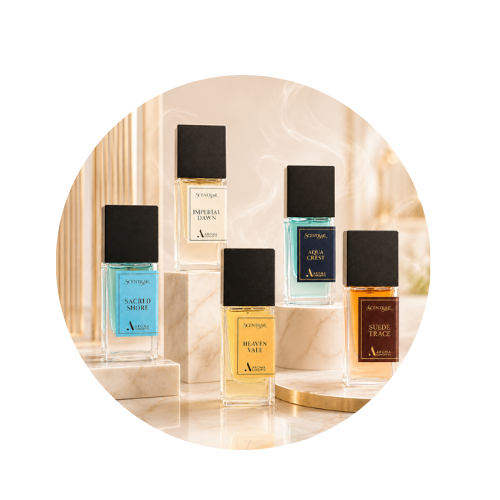
For shoppers seeking perfumes with stronger base notes, Aroma Concepts Pakistan offers a range of fragrance styles across oud, amber, vanilla, musk, woody, floral, fruity, and gourmand profiles.
Ministry of Oud - Amber Oud
A richer oud-and-amber direction for people who enjoy deep, warm, and formal scent profiles.
Dream Catcher
A men's fragrance direction with amber, tobacco, cedar, and spice for a warmer dry-down.
Rifaaqat Adorn
A warm profile with patchouli, ambergris, vanilla, and floral-spicy elements.
Oud Highness
An oud, rose, sandalwood, patchouli, and labdanum-style direction for rich fragrance lovers.
Shop Men's Perfumes Shop Women's Perfumes
Final Thoughts
The reasons some fragrances do not last long can usually be explained by concentration, composition, skin chemistry, body temperature, climate, storage, and application. A lighter fragrance is not automatically low quality; it may simply be designed to feel fresh, airy, or subtle rather than dense and long-lasting.
Choosing fragrances with higher concentrations and stronger base notes may help improve longevity, although performance still depends on your skin type, weather, and application. For better results, apply perfume to moisturized skin, avoid rubbing it in, store bottles correctly, and choose scent profiles that match your climate and occasion.
Frequently Asked Questions
Why does my perfume not last long?
Your perfume may not last long because of low concentration, light top notes, dry skin, warm body temperature, hot weather, humidity, poor storage, or incorrect application. The full formula also matters.
Does perfume last longer on oily skin?
Perfume often lasts longer on oily or well-moisturized skin because fragrance materials have a better surface to adhere to. Dry skin may allow fragrance to evaporate more quickly.
Is Eau de Parfum better than Eau de Toilette for longevity?
Eau de Parfum generally contains a higher concentration of fragrance oils than Eau de Toilette and is often associated with longer wear. However, composition, skin chemistry, weather, and application also affect longevity.
Which perfume notes last the longest?
Oud, amber, musk, vanilla, woods, patchouli, tobacco, leather, and resinous notes are commonly associated with longer-lasting fragrance bases. Actual performance depends on the complete formula.
How can I make perfume last longer?
Apply perfume to moisturized skin, focus on pulse points, avoid rubbing after spraying, apply lightly to clothing where appropriate, and store the bottle away from heat, sunlight, and humidity.
Does hot weather make perfume fade faster?
Yes, heat can speed up evaporation and change how a fragrance projects. In hot weather, some perfumes feel stronger at first but may fade faster than they would in cooler conditions.
Should I spray perfume on clothes or skin?
Perfume is usually applied to skin, especially pulse points. A light spray on clothing can help the scent remain noticeable for longer, but test fabric sensitivity first to avoid staining.